
Why Most Self-Defense Fails Before the Fight Starts | Leander & Austin Self-Defense Guide
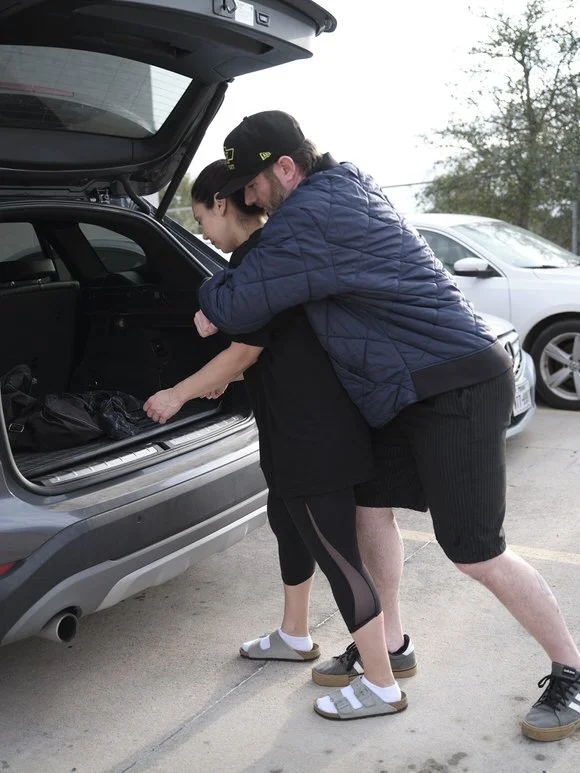
Most people think self-defense starts when something happens.
A grab. A shove. A punch.
It doesn’t.
By the time that happens, you’re already late.
What I see all the time is people trying to react after the situation has already developed. They’re surprised, they freeze, or they hesitate. At that point, it’s not about technique anymore.
It’s about awareness—and they missed it.
Awareness Comes First in Real Self-Defense
Self-defense starts before anything physical.
It starts with what you notice—and how early you notice it.
If you’re distracted, looking down, or not paying attention to what’s around you, you’re giving up your biggest advantage: time.
And time is what gives you options.
Once that’s gone, everything gets harder.
This is where real-world self-defense begins—not with techniques, but with situational awareness.
Awareness Comes First in Real Self-Defense
Self-defense starts before anything physical.
It starts with what you notice—and how early you notice it.
If you’re distracted, looking down, or not paying attention to what’s around you, you’re giving up your biggest advantage: time.
And time is what gives you options.
Once that’s gone, everything gets harder.
This is where real-world self-defense begins—not with techniques, but with situational awareness.
What Yellow Awareness Actually Looks Like
Yellow isn’t tense. It isn’t anxious. It’s present.
You notice who’s around you without staring. You’re aware of exits, open space, and how people are moving.
You pick up on small changes:
Someone circling a parking lot
A person lingering too long
A group shifting focus toward you
Think of it like driving.
You’re not expecting a crash every second—but you’re scanning mirrors and checking intersections.
That awareness becomes automatic.
It doesn’t drain your energy. It keeps you ready.
The Orange Zone: Trusting Your Gut in Real Situations
Orange is when something feels off—even if you can’t explain why.
Someone follows too close.
A person’s behavior doesn’t match the situation.
The energy in a room shifts.
Most people ignore this.
They tell themselves:
“I’m probably overreacting.”
“It’s nothing.”
“I don’t want to be rude.”
But your subconscious is picking up patterns your conscious mind hasn’t processed yet—body language, movement, tone, positioning.
When that internal alarm goes off, listen.
You don’t need to overreact. But you do need to create options:
Move
Reposition
Identify exits
That’s how you stay ahead of the situation.
Why People Ignore Warning Signs
We’re trained to be polite.
To give people the benefit of the doubt.
To avoid confrontation.
To not make a scene.
That conditioning can override your instincts.
Someone gets too close—and instead of stepping back, you hesitate.
Someone acts aggressively—and you rationalize it instead of responding.
The problem is, people who look for opportunities expect this.
They rely on hesitation.
They rely on politeness.
If you prioritize your safety over social comfort, you remove that weakness.
Distance Is Your Safety in Self-Defense
Letting someone get too close is one of the biggest mistakes you can make.
Distance equals time.
Time equals options.
Distance gives you:
Time to recognize a threat
Space to move
A path to exit
The ability to think instead of react
Once someone is within arm’s reach, your options drop fast.
Lose distance—and you lose control.
How Much Space Do You Actually Need?
It depends on the situation.
In normal conversation, arm’s length is fine.
If something feels off, you need more.
You need enough space to:
Move freely
Change direction
Create barriers
React before contact happens
This isn’t about being antisocial.
It’s about maintaining control in real-world situations.
How to Control Distance Without Drawing Attention
You don’t need to make it obvious.
You can maintain distance in subtle, practical ways:
Shift your position as if checking something
Angle your body instead of standing square
Step off-line instead of backing straight up
Place objects (tables, cars, counters) between you and the other person
You stay polite.
But you stay in control.
Real-World Situations Where This Applies
This isn’t theory. This is where problems actually start:
Walking to your car at night
Standing in line and someone moves too close
A conversation that begins to escalate
Someone approaching you in a parking lot
Being distracted on your phone
Most threats don’t happen instantly.
They build.
Situational awareness and distance give you the chance to stop the situation before it becomes physical.
Why Most Self-Defense Training Gets This Wrong
A lot of training focuses on techniques:
Punches
Escapes
Submissions
That’s useful—but incomplete.
Because it often ignores what happens before contact.
If your training starts at the moment of physical engagement, you’re already behind.
Awareness, positioning, and decision-making prevent more fights than technique ever will.
Practical Situational Awareness Drills You Can Use Today
You don’t need complicated training to build this skill.
Start with simple habits:
360 Scan
When walking to your car, identify:
Three exits
One person you’d avoid
Proximity Shift
In conversations, step slightly off-line and angle your body.
Orange Drill
When something feels off:
Take two steps back
Create a barrier
Identify an exit
Phone Discipline
Put your phone away in high-risk areas:
Parking lots
Bars
Late-night streets
These drills take minutes—but they translate directly to real-world self-defense.
The Mental Shift That Changes Everything
Real self-defense isn’t about fighting.
It’s about making better decisions earlier.
Seeing things sooner.
Positioning yourself better.
Not letting problems get close enough to become physical.
That’s the shift—from reactive to proactive.
Self-Defense Training in Leander and Austin, Texas
If you’re in the Leander or greater Austin area, this is exactly what we train at Texas Combat.
Most self-defense programs focus on techniques after contact. We focus on what happens before that—situational awareness, distance control, and decision-making under pressure.
Our training is built for real-world situations:
Parking lots
Public spaces
Close-contact encounters
High-stress environments
We don’t train for sport. We train for reality.
If you’re looking for practical self-defense in Leander or Austin, come see how we train.
The Bottom Line
Most self-defense fails because people are late.
They didn’t see it early.
They didn’t adjust.
They didn’t create space.
And now they’re reacting under pressure.
Stay aware.
Control distance.
Trust what you feel early.
That’s what actually keeps you safe in real-world situations.
If you want to train this in a way that actually works under pressure—not just drills—come see how we do it at Texas Combat.